

Chefs and home cooks appreciate Spanish olive oil for its exceptional quality, variety and value. Unlike Italy and Greece, Spain dominates the olive oil market, producing more than any other country, a result of its rich, sun-soaked terrains populated by centuries-old olive trees. Spain’s centuries-old olive trees have cultivated a rich and diverse olive culture begging to be explored.
This guide will serve as an introduction to the heart of Spanish olive oil. We will take a look at the climate of the region as well as the different types of olives grown there. We will highlight the olive-growing regions and analyze the different flavor profiles of the oils to enable you choose what is most ideal for your kitchen. Finally, you would have increased your appreciation for Spain’s liquid gold and be ready to capture the best Spanish olive oil to refine your cooking.
Why is Spanish olive oil considered exceptional?
Spain is one of the world leaders in olive oil and that is attributed to a combination of many elements. Why is Spanish olive oil considered exceptional? When it comes to Spain, one of the geography and climate extremes.
A large percentage of Spain is perfect for olive growing. Summers are hot and dry while winters are mild. This leads to Spain having a lot of olive varieties, with over 200 cultivars in Spain alone. This diversity is one of the reasons for the many varying tastes of Spanish oils.
Another answer to why is Spanish olive oil considered exceptional? is the fusion of culture with modernity. While the majority of the olive groves are still tended the old fashioned way, the processing factories have modern machines.
In a country with hot and dry summers and mild winters, one of the geography and climate extremes, the fusion of culture with modernity leads to the olives being farmed with utmost care and processed with sophisticated machinery to retain the utmost quality, purity and freshness. This attention and commitment to every stage in the production line processes results in a product that is above the rest.
A guide to the main Spanish olive varieties
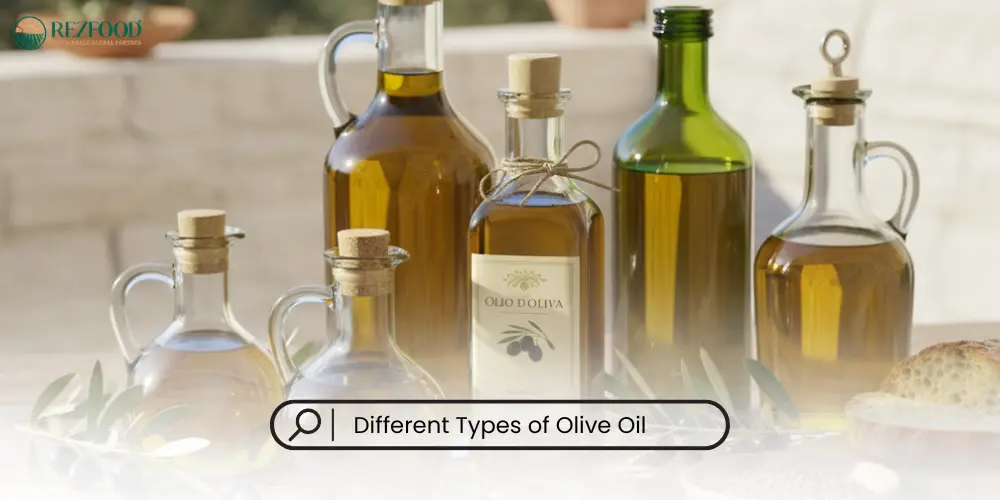
To understand Spanish oil, it’s vital to understand the olives that are used. This guide to the main Spanish olive varieties is designed to offer the key cultivars that shape the country’s olive oil profile.
- Picual: This is the ‘king’ of olives in Spain since it constitutes a significant proportion of olive oil production in the country. Picual oil is famed for its strong robust flavor, which is generally tonic. In addition, it has a pleasant bitterness, peppery sentiments, and a green tomato leaf flavor. Furthermore, it is highly stable since it is rich in antioxidants.
- Arbequina: This olive, from Catalonia, is small is famous for a different style of olive oil. She is mild, fruity, and buttery with little peppery and bitter undertones. It is reminiscent of the cow and is extremely popular among those that wish for a finer oil.
- Hojiblanca: This olive is named after the whitish color of the leaves and makes a complex and versatile oil. She Hojiblanca oil starts with a slight sweetness and peppery undertones and has the simplest of flavor profiles. It is reminiscent of fresh-cut grass and has a strong peppery finish that is pleasing.
- Cornicabra: Known for having a definitive horn shape, this type of olive creates a fruity, aromatic oil with a well-balanced taste—often noted for a peppery flavor that intensifies as you swallow.
These qualities of Spanish lemons, give olive oil a whole new twist, showcasing the distinctive diversity that Spain has to offer.
Notable olive oil regions in Spain
Certainly, Spain is not the only shipper of top-grade olive oil, and some regions boast greater quality and history. Spain’s olive oil regions indeed serve as mini-cuisine capitals.
Andalucía, in the south, is and will always be the greatest Spanish territory for olive oil. Sometimes coined the “sea of olives,” this impressive area is home to countless picturesque olive oil farms as much as the eye can see. Furthermore, the entire world’s Picual olives are grown in this region, allowing production of the robust Andalusian oil.
Further northeast is Catalonia, which produces some of the mildest, most fruity olive oil in the world due to the successful cultivation of the exquisite Arbequina olive. To the west of Madrid lies the territory of Don Quixote, also known as Castilla-La Mancha. This region is home to the Cornicabra olive, which is magnificently pungent and bold, allowing Spain to brag about being the top oil supplier. Each of these famous olive oil regions in Spain adds distinct personality to the olive oil world.
Flavor profiles: What spanish olive oil should I put on my bread for breakfast?
As for any oil, the choosing of an oil may be fun and a self-exploration of your own preference. This guide on what spanish olive oil should I put on my bread for breakfast simplifies it into categories. Do you like an oil that has a strong, bold tone, or a soft and buttery whisper?
The best way to start is by trying oils made from the main olive varieties. A Picual and an Arbequina pair will be bold and mild, and will completly differ in taste, but are both delicious in their own way. In time, you will come to know what oils and flavors you enjoy the most for different uses. This guide on what spanish olive oil should I put on my bread for breakfast makes the whole oil selection process simple and pain free.
| Spanish Olive Variety | Dominant Flavor Profile | Best For | Main Region |
| Picual | Bold, peppery, robust, with a bitter finish. | Grilling red meat, drizzling on hearty soups and stews, strong cheeses. | Andalucía |
| Arbequina | Mild, fruity, buttery, slightly sweet, not peppery. | Baking, finishing delicate fish, light vinaigrettes, mayonnaise. | Catalonia |
| Hojiblanca | Balanced, grassy, with a delayed peppery kick. | An all-purpose oil for salads, sautéing, gazpacho, and dipping bread. | Andalucía |
Pairing food with Spanish olive oil
- The Bold Picual Oil: The potent flavor goes well wth equally intense foods. Pour it freely on a grilled steak or lamb chops. Finish off a robust bean soup or a classic Spanish gazpacho. It is also wonderful for dipping crusty bread.
- The Mild Arbequina Oil: This oil’s buttery flavor is best suited for recipes where it is meant to act as a gentle background flavor. Use it for roasts as well as salad oil. This oil is also great for drizzling on grilled fish or vegetables.
- The Balanced Hojiblanca oil: This is a wonderful cooking oil. Its fresh grassy flavors adds great notes to salads, which is later complemented well by the oil’s peppery finish. That also gives a nice complexity to sautéed vegetables or chicken.
Employing these ideas on Spanish olive oil is a quick and straightforward means to introduce the authentic flavors of Spain to your cooking.
Gazpacho: The Iconic Spanish Soup Showcasing Olive Oil
To appreciate Spanish olive oil, one also needs to appreciate its place in quintessential Spanish recipes. One of the most celebrated dishes and the most refreshing one, in fact, is gazpacho soup. This cold soup is one of the finest examples of the use of fresh, uncomplicated summer produce. Originating from the Andalusian region in southern Spain, it is usually the core made of ripe tomatoes, Spanish cucumbers, bell peppers, garlic, and, to achieve body, a piece of stale bread. Each of the ingredients is wonderful on its own, but the one element that transforms gazpacho from a straightforward vegetable purée into a rich, velvety, and profoundly tasty dish is a copious amount of extra virgin olive oil that is of the finest quality. Surely, it is the ingredient that binds the dish together.
As oil as important as the rest of the ingredients. While pulverizing the vegetables, Picual or Hojiblanca olive oils are blended at the same time, combining the two and creating an emulsified, velvety, and dairy-free creamy soup. The lingering oil’s peppery and fruity tones gently envelop the sharpness of the garlic and the acidity of the tomatoes.
In addition, it’s customary to add a generous drizzle of oil on top of the bowl to finish off the dish at the last moment. The oil adds an unmistakable scent while keeping the dish rich and elegant. Beyond just a soup, gazpacho embodies the harvest to celebrate why Spanish olive oil holds such importance to the country’s cuisine.
Conclusion
The continent of Spain is arguably one of the most popular countries for producing different varieties of olive oils. With many subtle oils out there produced in different regions of the country, ranging from sweet and fruity oils from Arbequina trees to robust and hot oils from the Picual trees, every olive oil produced in Spain holds immense value to the country.
Every individual who wishes to explore the captivating country of Spain should attempt to gain knowledge about the production regions of olive oil and experience the difference in taste. Spanish olive oil is one of the top oils produced, and consuming any of such varied oils is an experience that is out of this world.
