

Discovering the Many Health Benefits of Olive Oil
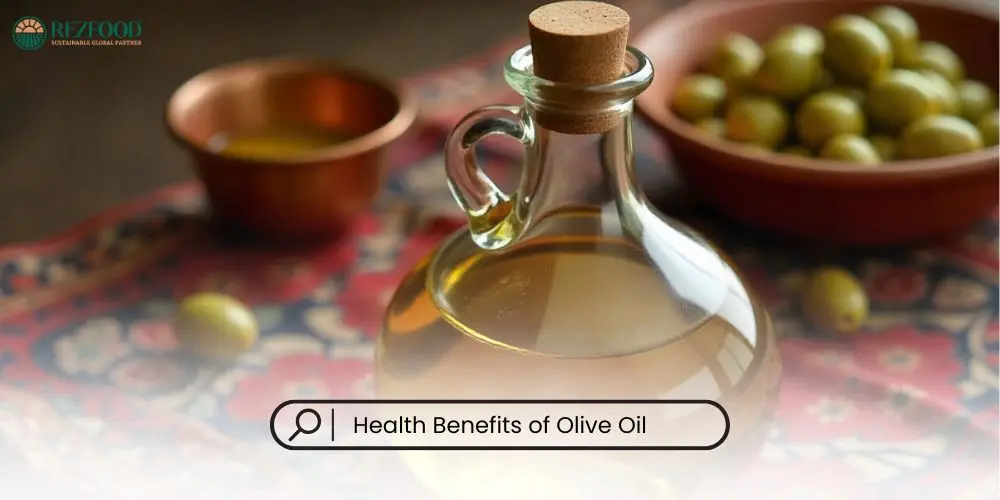
This is probably the first chapter in your cooking handbook. It will List the major health benefits of olive oil and seek to explain the reason behind its popularity in a more ‘grammatically friendly’ way. Understand the importance of the protective and proprietary devices incorporated in olive oil. While reading this piece, you and I will surely know that olive oil is of great importance and will know the versatile ways to introduce olive oil in a family meal.
The role of mono-un-saturated fat in the health of the heart
Touching on the most known benefits of olive oil, its’ use in heart health comes to mind first. An important fact in this regard is the role of monounsaturated fats in heart health. In fact, olive oil is very high in the monounsaturated fat oleic acid, which constitutes about 73% of its oil content. They are often referred to as “good fats” because they promote health instead of endangering it. A lot of research has proven that oleic acid helps maintain a healthy cardiovascular system.
One of the most important ways it does this is by assisting in the management of cholesterol. Oleic acid has been shown to reduce “bad” blood cholesterol levels (LDL), which is a primary contributor to the formation and building of arteries’ plaque. At the same time, it possibly helps to maintain and even rise “good “cholesterol levels (HDL). This fantastic combination makes olive oil a strong cardiovascular oil. The role of mono-un-saturated fat in the health of the heart helps explain why this oil is, and a primary, central component of heart-smart diets across the globe.
Olive Oil’s Anti – Inflammatory Traits
The body’s naturally occurring process to inflammation is to defend itself. In as much as inflammation is a biological process protective, inflammation that is prolonged is associated with multiple health concerns like increased risk of coronary problems, arthritis, among other ailments. It is exactly for this reason, that olive oil’s anti-inflammatory traits is interesting. Extra virgin olive oil contains a compound known as oleocanthal. Studies show that oleocanthal behaves in a manner of ibuprofen, a common anti inflammatory drug.
Defining a dosage for olive oil is not similar to how drugs are taken, but incorporating olive oil in meals daily is more beneficial in reducing inflammation that is chronic in nature. Olive oil towards moderation is one of the exciting focuses in research. It is one of the major justifications for the close relationship that a diet high in extra virgin olive oil has with lower inflammatory disease rates. With the inflammation that is chronic olive oil certainly has anti inflammatory properties oil’s inflammation chronic has inflammation inflammatory diseases neutral. It is evident that olive oil has balanced in the body functional foods.
Brain Health: The MIND diet
Many people know that olive oil is good for heart health, and studies continue show that it is also good for the brain and cognitive functions. A good example is the MIND diet, which aims to preserve the brain and minimize the chances of Alzheimer’s and other brain diseases. This diet is an amalgamation of the Mediterranean Diet and the DASH diet, which stands for Dietary Approaches to Stop Hypertension. One of the central tenets of the diet that is unquestionable is that the person is required to use extra virgin olive oil as the primary and only source of added fat for cooking and other activities.
The brain benefits are attributed to various properties of olive oil. The healthy monounsaturated fats that constitutes most of the oil helps with the maintenance of the physical structure of brain cells as well as the cell-to-cell communication. More importantly, the powerful antioxidants, especially polyphenolic compounds like oleocanthal, which are abundant in extra virgin olive oil, are believed to cross the blood-brain barrier. These compounds are thought to protect the brain from the chronic inflammation and oxidative stress that can progressively damage fragile brain tissue over time. This suggests that extra virgin olive oil is not just a ‘heart-healthy’ food, but also a ‘brain-healthy’ food, essential for promoting and sustaining cognitive health and function over time.
The role of antioxidants found in olive oil
In considering another important benefit, let us examine olive oil antioxidants and the functions they serve. Visualize antioxidants as miniature security personnel designed to protect your cells. They work to neutralize harmful free-range radicals and free radicals, which can result in oxidative stress, which is harmful. Such damage is associated with aging and various chronic disorders. Extra virgin olive oil is a concentrated source of antioxidants, especially vitamin E and some members of the polyphenols family.
These antioxidants are bioactive, which means they very much offer benefits when they are ingested. They serve as one of the major reasons why unrefined extra virgin olive oil is far healthier than refined oils. The industrial refining processes systematically destroy most of these precious compounds. The table below describes a few of the key constituents of quality olive oil. A clear understanding of olive oil antioxidants and the functions they perform illustrates the reasons why the type of oil consumed is crucial to one’s health.
| Key Compound | Type | Primary Health Benefit |
| Oleic Acid | Monounsaturated Fat | Supports heart health and healthy cholesterol levels. |
| Oleocanthal | Polyphenol | Provides natural anti-inflammatory effects. |
| Hydroxytyrosol | Polyphenol | A powerful antioxidant that protects cells from damage. |
| Vitamin E | Vitamin | An antioxidant that supports immune function and skin health. |
Does Olive Oil Aid in Weight Management?
The notion of any form of fat helping with weight management may seem counterintuitive. Hence, the bottom line question: Does olive oil aid in weight management? The answer in the emerging field of olive oil research is yes: research documents that loss of weight over time is more achievable with diets abundant in olive oil than with low fat diets devoid of olive oil. The research outcome that confirms this correlation is becoming abundant in the scholarly literature.
The reason seems to be relatd to satiety. After eating, the satisfying feeling of full contentment is the effect of healthy olive oil fats. This may allow you to pass on snacks that you would normally purchase because you are consuming a larger, more satisfying meal. It is vital to clarify that containing olive oil in the diet also involves replacing less healthy oils such as butter and processed vegetable oils, as opposed to just adding olive oil on top of the diet.
This is why dieting as a whole, and eating balanced dieting in particular, makes the most sense. Hence, in moderation, the answer is yes to the question, “Does olive oil help in weight management?”.
Health Benefits of Olive Oil
To truly appreciate the wonderful characteristics of olive oil, it is important to know how to choose, use, and store olive oil as well. This guide on Health Benefits of Olive Oil gives you some simple, practical suggestions on how to use olive oil in such a way as to maximize the health benefits.
- Use Extra Virgin. This is the least processed type and contains the highest level of all the olive antioxidants and anti inflammatory components.
- Use It as a Flavoring. The best way to derive most benefit out of it is to use it in applications where little to no heat is required. It is excellent for salad dressings, drizzling on steamed veggies, and soups.
- Store It Appropriately. Light, heat, and air are the enemies of olive oil. Keep your oil in a cool, dark cupboard, and the bottle should be capped. This keeps the healthy oil compounds from degrading.
- Use It Regularly. Olive oil benefits are most pronounced when used regularly. It should be the main fat used for cooking and it should be a main staple in the kitchen.
Adhering to the recommendations above on how to maximize the positive effects of olive oil will guarantee that the full potential of this astonishing food is extracted.
It would be academically erroneous to limit the scope of olive oil to a type of simple fat; regarding olive oil this way would be doing a disservice to its intermingled complex of processes it undergoes to transform into a sought after superfood across the globe. That’s particularly the case with extra virgin olive oil; the second it touches your palate, it becomes a simple source of ease towards intensified levels of wellness, particularly with the heart as it fosters the arteries. Maintaining the arteries through robust, protective antioxidants, instantaneously aids in both inflammation and overall wellness.
Thus, the more regular olive oil becomes in your meals, the more it ascends towards the most sought-after health recipes. Adding to these recipes is, of course, a bonus unlike any other – as they will improve the olive oil’s super benefits and the fantastic flavor it brings to our food.